
Why Regular Electrical Maintenance is Essential for Commercial Buildings
In today's fast-paced commercial environment, ensuring the safety and efficiency of electrical systems in buildings is crucial. Regular electrical maintenance from commercial electrical contractors plays a pivotal role in minimizing risks, enhancing productivity, and ensuring compliance with safety regulations. Without proper maintenance, commercial buildings can face significant safety hazards, costly repairs, and operational inefficiencies. Through systematic checks, inspections, and upgrades, businesses can prepare their infrastructure to meet modern demands. This article delves into the multifaceted benefits of regular electrical maintenance for commercial buildings, showcasing its indispensability in the current landscape.
1. Safety Assurance
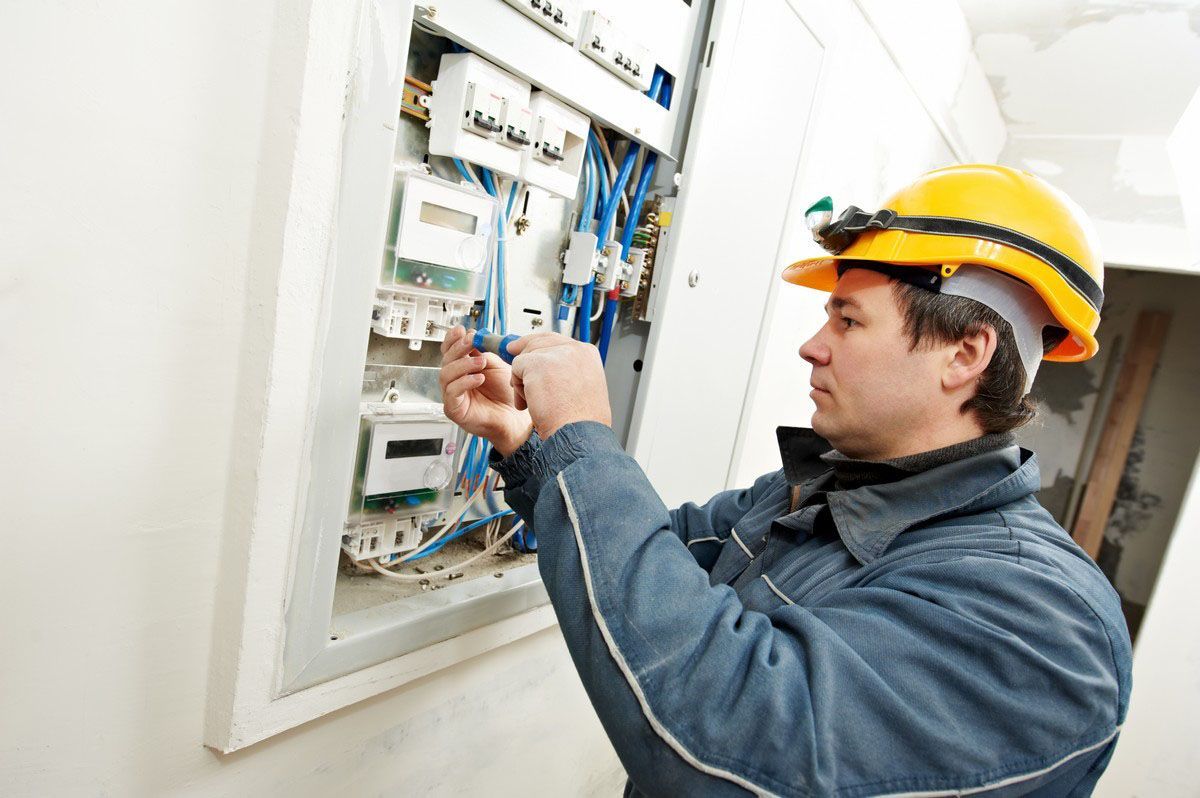
Ensuring the safety of electrical systems in commercial buildings begins with identifying potential hazards. Electrical failures are common in aging infrastructures, where wiring issues, outdated components, or overloaded circuits are prevalent. Regular inspections allow for the early detection of these problems before they escalate into serious threats. This proactive approach minimizes risks associated with electricity, such as short circuits that could lead to catastrophic incidents. By diligently maintaining these systems, businesses can protect both their staff and valuable equipment.
The prevention of electrical fires is a key component of safety assurance in commercial buildings. Faulty wiring, overloaded circuits, and defective electrical components are common culprits of fires that cause significant damage. Routine inspections and maintenance can significantly reduce the occurrence of these events by ensuring all components are functioning correctly. By mitigating the risk of fires, businesses can safeguard their property and employees while avoiding unexpected operational interruptions. In this vein, the proactive approach of regular electrical maintenance cannot be overstated.
Minimizing the risk of electrical shocks is another critical aspect of maintaining a safe environment in commercial buildings. Faulty outlets, exposed wires, and inadequate grounding are primary causes of electrical shocks. By implementing a regular maintenance schedule, potential threats to human safety can be promptly addressed. This not only protects individuals from harm but also fosters a culture of safety and compliance within the organization. Ultimately, regular electrical maintenance is a fundamental aspect of preventive safety measures in commercial buildings.
2. Cost Efficiency
Regular electrical maintenance can significantly reduce unexpected repair costs by identifying and solving issues before they become critical. Unforeseen equipment failures often lead to expensive repairs and prolonged downtime. By incorporating routine check-ups, businesses can mitigate these risks and allocate resources more effectively. According to The United States Department of Energy, proactive maintenance on electrical equipment can reduce breakdowns by 35% to 45%. This not only preserves the company's budget but also enhances overall financial health.
Another financial benefit of regular electrical maintenance is the extension of equipment lifespan. Electrical components and systems that are well-maintained tend to last longer and operate more efficiently. By ensuring that systems are functioning optimally, companies can delay the need for costly replacements and upgrades. This deliberate approach to maintenance also means that when equipment is eventually replaced, it can be done on the company's terms, rather than as a reactive measure. Thus, strategic maintenance not only saves costs but also stabilizes the fiscal outlook.
Cost efficiency is further achieved through optimizing energy consumption. Regular maintenance ensures that systems are running at peak performance, reducing unnecessary energy usage. Energy-efficient systems not only lower utility bills but also contribute to sustainability goals. Companies can leverage routine upgrades to ensure their systems meet modern energy standards, thereby maximizing operational efficiency. In today's business climate, where every dollar counts, making energy efficiency a priority proves advantageous both financially and environmentally.
3. Compliance with Regulations
The importance of compliance with electrical safety codes in commercial buildings cannot be underestimated. Various regulations and standards are enforced to ensure that electrical systems meet specific safety criteria. Regular electrical maintenance allows building managers to stay abreast of these requirements, thereby avoiding potential legal repercussions. This proactive approach is crucial for meeting both local and national regulatory standards. As codes and regulations evolve, continuous maintenance ensures that all changes are promptly addressed.
Understanding inspection and documentation requirements is another vital aspect of compliance. Regular inspections generate documentation that serves as evidence of the safety and reliability of a building’s electrical system. This paperwork is often required during safety audits or when seeking insurance claims. By maintaining this documentation, businesses can easily demonstrate compliance and avoid potential fines. Furthermore, documented maintenance schedules serve as a roadmap for future inspections and upgrades, fostering a culture of ongoing compliance and safety.
Compliance doesn't just protect against fines; it’s also linked to meeting insurance obligations. Insurance providers often require proof of regular maintenance as a condition of coverage. Failure to comply can result in higher premiums or even denial of claims in the event of an electrical incident. By ensuring that all electrical systems are maintained in line with policy requirements, businesses can secure more favorable terms with their insurers. Therefore, regular electrical maintenance plays a crucial role in fulfilling insurance obligations and safeguarding future financial interests.
4. Reliability and Performance
Reliability in electrical systems is crucial for ensuring a consistent power supply in commercial buildings. Power outages or fluctuations can disrupt business operations, leading to frustration and lost productivity. Regular maintenance from commercial electrical contractors is essential to preemptively address potential weaknesses that could compromise system reliability. Reliable systems bolstered by routine checks ensure that businesses can operate smoothly without unexpected interruptions. Consequently, investing in maintenance bolsters not only system reliability but also the confidence of clients and staff alike.
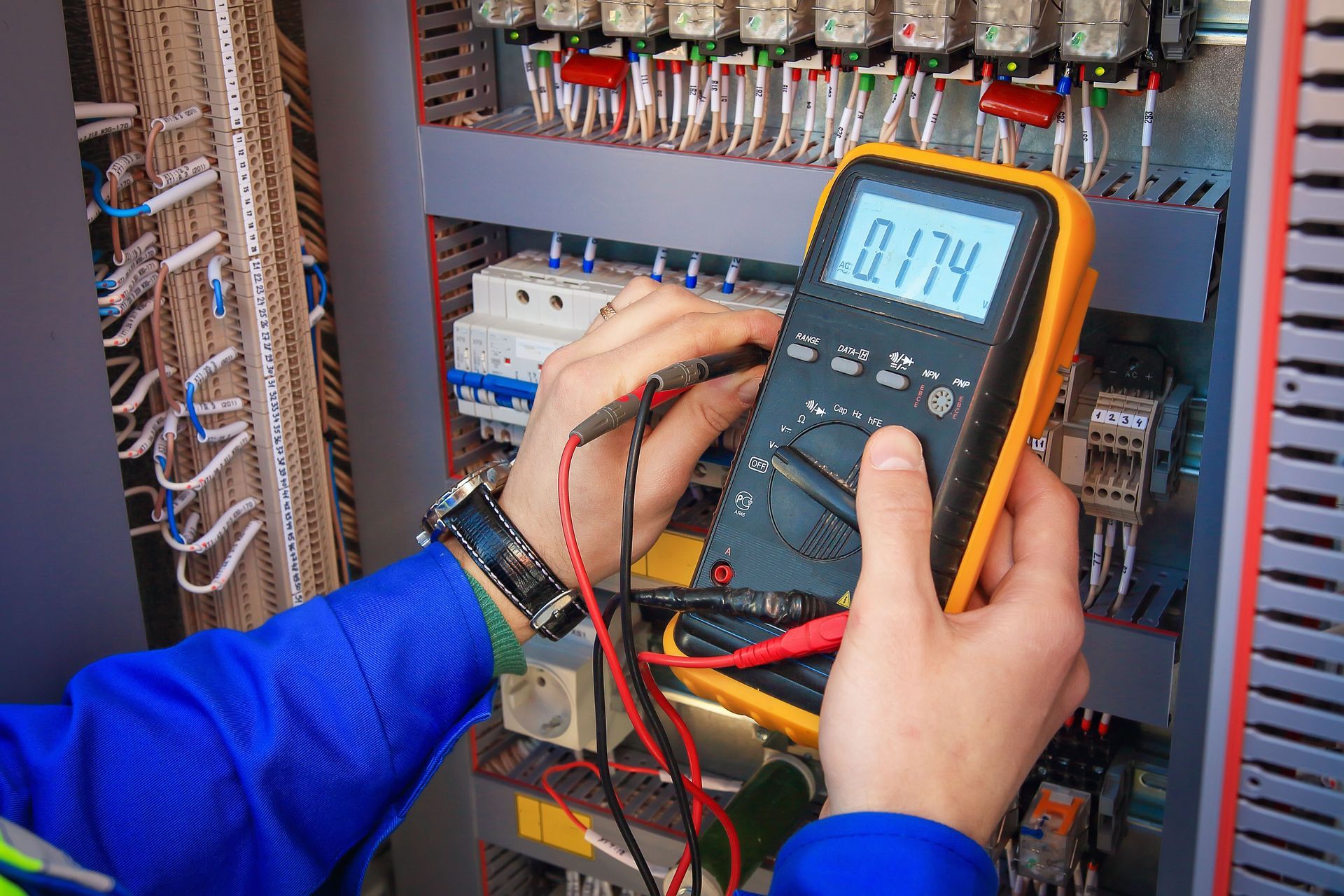
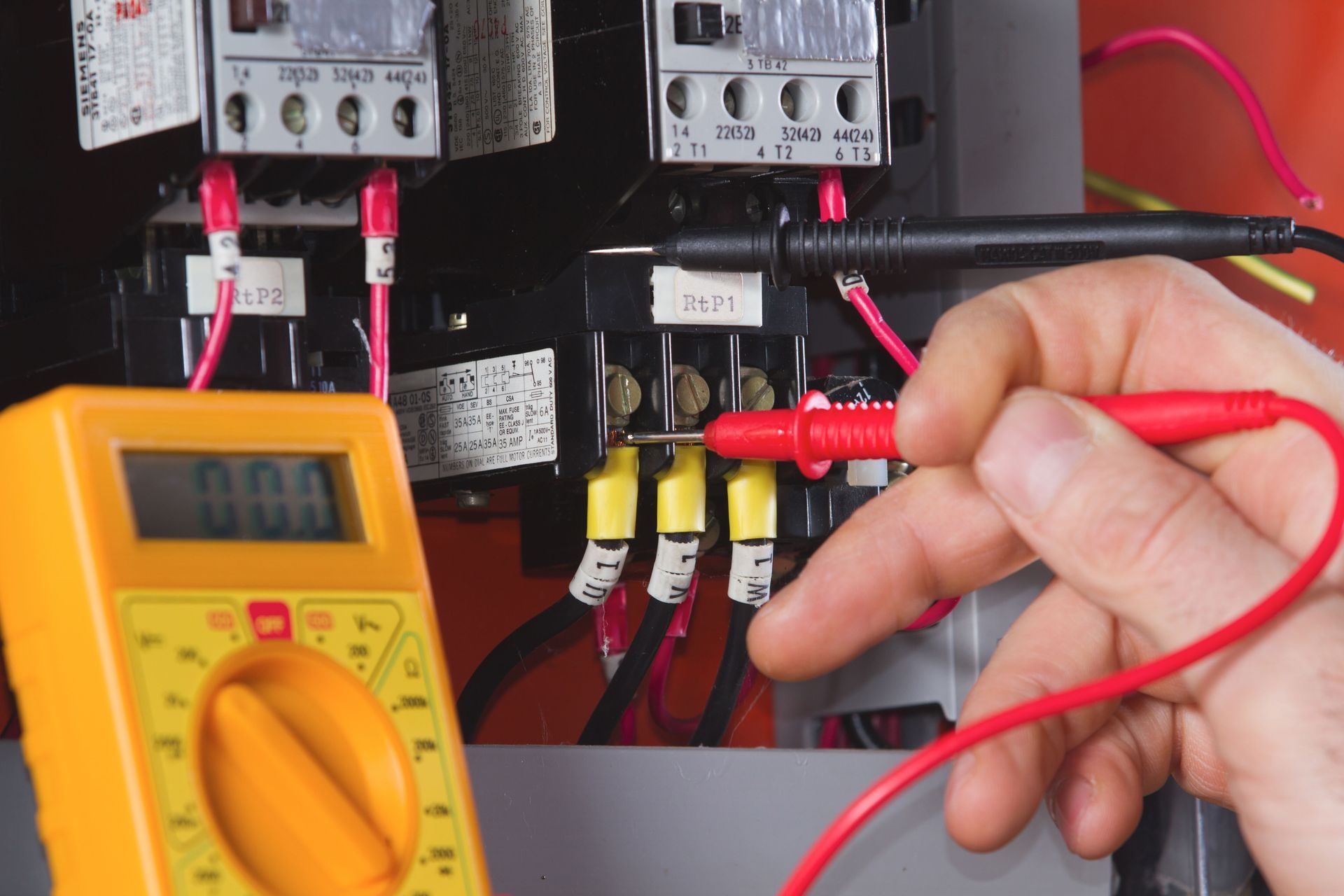
Avoiding system failures through regular maintenance helps to maintain optimal performance. Minor issues, if left unaddressed, can escalate into significant failures, resulting in lengthy downtime and costly repairs. Routine inspections and testing ensure that all components of the electrical system are functioning correctly. The detection and rectification of these smaller issues prevent them from snowballing into larger problems. This foresight ensures that electrical systems continue to perform efficiently, reflecting the business’s commitment to operational excellence.
In terms of improving system performance, regular electrical maintenance offers significant benefits. By optimizing systems and addressing inefficiencies, businesses can enhance the performance of their electrical infrastructure. Efficiency improvements across systems result in a better overall operation, ensuring that each component works in harmony with others. Regular optimization efforts transform electrical maintenance from a cost to a strategic investment that delivers continuous improvements. Ultimately, this commitment to performance yields a competitive edge in an increasingly demanding market.
5. Risk Management
Risk management is a fundamental aspect of maintaining commercial electrical systems. Assessing electrical system vulnerabilities helps identify potential threats that could disrupt operations. This proactive measure allows businesses to rank risks according to their severity and likelihood, facilitating informed decision-making. By incorporating regular electrical assessments from commercial electrical contractors into risk management plans, businesses can mitigate potential hazards before they materialize. Preparing for unforeseen events reinforces a company’s resilience and adaptability in a dynamic environment.
Proactive maintenance planning forms a critical part of risk management in commercial settings. By scheduling regular inspections and maintenance tasks, companies can minimize the likelihood of unexpected failures. This foresight enables managers to allocate resources efficiently, reducing the financial impact of unplanned repairs. Moreover, maintenance planning helps in preparing for seasonal changes that might influence electrical system performance. Strategically planned maintenance ensures continuity and stability in operations, even amidst external fluctuations.
Emergency preparedness and response are pillars of effective risk management in commercial buildings. By identifying potential failure points and establishing response protocols, businesses can minimize the impact of electrical disruptions. Regular training and drills ensure that staff are prepared to handle electrical emergencies effectively. Moreover, an established emergency response plan outlines steps to restore normal operations promptly, reinforcing business continuity. This comprehensive approach to preparedness underscores the role of maintenance in a robust risk management strategy.
Regular electrical maintenance is not just a necessary procedure but a critical investment that safeguards the well-being of commercial buildings. It ensures safety, cost efficiency, compliance, reliability, and adaptability to technological advancements. By integrating these practices, businesses can prevent potential hazards, reduce costs, and enhance overall building performance. In an ever-evolving commercial landscape, consistent maintenance ensures that buildings are not only functional and safe but also competitive and sustainable. As the demands on commercial infrastructure continue to grow, electrical maintenance remains a pivotal component of successful business operations. Reach out to Stateline Electric & Automoation Inc today to see how we can help you!

Share On: